Books in Neuroscience

Elsevier's Neuroscience collection empowers educators, researchers, and students with actionable knowledge to drive collaborative research and advancements in the field. Content covers the nervous system's intricate workings, covering branches like Affective, Behavioral, and Cognitive neuroscience to investigate the neural basis of emotions, behavior, and cognitive functions. Spanning from Molecular and Cellular Neuroscience to Developmental Neuroscience, content provides insights into brain function in health and disease.

  • Progress in Behavior Modification

    Volume 3
    • 1st Edition
    • Michel Hersen + 2 more
    • English
    Progress in Behavior Modification, Volume 3, is a multidisciplinary serial publication that encompasses the contributions of psychology, psychiatry, social work, speech therapy, education, and rehabilitation. This serial aims to meet the need for a review publication that undertakes to present yearly in-depth evaluations that include a scholarly examination of theoretical underpinnings, a careful survey of research findings, and a comparative analysis of existing techniques and methodologies. The discussions center on a wide spectrum of child and adult disorders. The present volume opens with a chapter on behavior modification and hypnosis. This is followed by separate chapters on applications of behavior modification procedures in classroom settings; smoking behavior modification; and psychotherapy outcome research. Subsequent chapters deal with the behavioral approach to teaching learning disabled children; evaluation of animal analogues of behavioral treatment; therapy for sexual dysfunction; and research in the area of transfer of training of operant treatment effects with children.
  • Comparative Neuropathology

    • 1st Edition
    • J. R. M. Innes + 1 more
    • English
    Comparative Neuropathology focuses on documented accounts of neurologic diseases and congenital defects in animals. The book first offers information on neuropathology, neuroanatomy, and cerebrospinal fluid (CSF). The domesticated animals that have CSF include horses, dogs, pigs, cats, rabbits, and cattle. The text then elaborates on neurologic diseases of apes and monkeys. Discussions focus on confluent leucoencephalosis and perivascular myelosis, encephalopathies and dysenteric syndromes, meningitis, epilepsies, tuberculosis, cerebellar atrophy and experimental manganese poisoning, and choreic syndrome in baboons with corticostriate encephalitis. The publication examines the diseases of the skeletal muscle and hypophysis, including general reactions of muscles to injuries, congenital defects, muscular dystrophies, changes in muscle associated with specific diseases, and tumor. The manuscript also takes a look at inherited diseases and congenital anomalies, protozoan and bacterial infections, and demyelinating or myelinoclastic diseases. The text is a dependable reference for readers interested in comparative neuropathology.
  • Excitation and Inhibition

    Synaptic Morphology
    • 1st Edition
    • Koji Uchizono
    • English
    Excitation and Inhibition: Synaptic Morphology proposes the S-F hypothesis that emphasizes the relationship between structure and function of synapses. This book begins with an introduction to the notion of inhibition in the physiology of the nervous system and history of “synapse”, followed by a discussion on the development of concept and morphological correlates of excitation and inhibition in relation to the S-F hypothesis. The mechanism of synaptic excitation and inhibition, physiological classification of neurons, and release mechanism of transmitters are also elaborated. This text describes the synaptic vesicles as a basis of transmitter, membrane recycle, transmission in the sympathetic ganglion, and transmitter substance. The criticism of S-F hypothesis, which deliberates the skeptical investigations of specialists regarding the simplicity and immaturity of the S-F hypothesis of synaptic morphology are provided at the end. This publication is beneficial to medical students and practitioners aiming to acquire knowledge of the physiology of synapses.
  • The Catecholamines in Psychiatric and Neurologic Disorders

    • 1st Edition
    • C. Raymond Lake + 1 more
    • English
    The Catecholamines in Psychiatric and Neurologic Disorders focuses on the contributions of catecholamines (CA) in the modulation of blood pressure, stress and exercise, body movements, memory, learning, emotions, thought processing, appetite, and mediation of psychotropic drug action. The selection first elaborates on the techniques for the assessment and interpretation of catecholamine measurements in neuropsychiatric patients and catecholaminergic response to stress and exercise. Discussions focus on noradrenergic response to isometric exercise, isotonic exercise, effect of acceleration on sympathetic activity, techniques for sympathetic nervous system evaluation, and measurements of CA and their metabolites in cerebrospinal fluid. The text then takes a look at urinary CA in behavioral research on stress; CA in anxiety disorders and mitral valve prolapse; and interaction with neurotransmitters in normal subjects and in patients with selected neurologic diseases. The selection examines noradrenergic responses in postural hypotension, norepinephrine, alcohol, and alcoholism, and catecholamine metabolism in anorexia nervosa. Topics include cerebral catecholamine metabolism in anorexia nervosa; central nervous system norepinephrine and voluntary alcohol drinking; and overview of norepinephrine in selected pediatric disorders. The book is a dependable reference for neuropsychiatrists and readers interested in the contributions of catecholamines on psychiatric disorders.
  • Cognitive Development

    The Child's Acquisition of Diagonality
    • 1st Edition
    • David R. Olson
    • David S. Palermo
    • English
    Cognitive Development: The Child's Acquisition of Diagonality is an empirical and rational enquiry into the child's development of a conceptual system relating to the concept of the diagonal during the age range three to six years. A detailed examination will be made of why a young child has difficulty with such a problem, and what occurs during development that removes this difficulty. In the context of these empirical arguments, the book considers such theoretical questions as the nature of intellectual skills and conceptual or symbolic knowledge, as well as the role of experience and instruction in their development. The study concludes with a description of the child's reconstruction of the diagonal in terms of what at least poses as a general model of perceptual and intellectual development, and accounts for, among other things, man's increasing ability to apprehend and theorize about the motion of the stars. It shows that it is the elaboration of the child's perceptual knowledge in the context of his performatory attempts in such cultural media as language and geometry that accounts for his ability to copy a diagonal in particular and his intellectual development in general.
  • Biophysical Aspects of Cerebral Circulation

    • 1st Edition
    • Yu. E. Moskalenko + 2 more
    • English
    Biophysical Aspects of Cerebral Circulation provides a comprehensive review of the cerebral circulatory system. This book consists of four chapters. Chapter 1 is devoted to methodology attempts to explain the special features of a biophysical approach. The biophysical principles of the most commonly used modem methods such as the clearance method and rheoencephalography are described in detail. The second and third chapters examine all the biophysical aspects of the cerebral circulatory system as a functional unit and deal with some principles of its regulation. The results of systems analysis using mathematical modeling are presented in broad outline. Chapter 4 deals with processes related to the regional cerebral circulation. Such investigations focus mainly on the relationship between periodically fluctuating factors affecting limited areas of brain tissue. This text is beneficial to medical students and individuals researching on cerebral circulation.
  • Cerebral Palsy

    A Clinical and Neuropathological Study
    • 1st Edition
    • Erna Christensen + 1 more
    • English
    Cerebral Palsy: A Clinical and Neuropathological Study is an account of a detailed study in which obstetrical, neonatal and neurological investigations on a large group of patients are presented with full neuropathological data found at subsequent necropsy. The book discusses the general autopsy findings and neuropathological techniques; as well as neuropathological findings in the different clinical entities. The text also describes the neuropathological findings and classification; progressive encephalopathies; and epilepsy. Neurologists will find the book invaluable.
  • Case Presentations in Neurology

    • 1st Edition
    • G. S. Venables + 2 more
    • English
    Case Presentations in Neurology presents a selection of case histories demonstrating how patients with often quite simple problems may present and to bring out aspects of their diagnosis and management. All the patients presented to the Department of Neurology including those with more obscure diagnoses. The book consists of 12 exercises, each of six cases broadly corresponding to the style of the MRCP (UK) written case history papers. Each case is set out with the history and physical findings given first. There follows either a series of questions or true/false statements on one side of the page which the reader should attempt before continuing on to the answer section on the other side. There then follows a short discussion about each case and a single reference. This book is intended for those doctors studying for higher professional qualifications such as the MRCP, although it may be of interest and use to medical students approaching their final examinations.
  • Neurobiology and Behavior

    • 1st Edition
    • A. O. Dennis Willows
    • English
    The Mollusca, Volume 8: Neurobiology and Behavior, Part 2, provides an overview of the state of knowledge in molluscan neurobiology and behavior. It is part of a multivolume treatise that covers the areas of structure and function, metabolic biochemistry, molecular biomechanics, environmental biochemistry, physiology, ecology, reproduction and development, neurobiology and behavior, and evolution. The Mollusca is intended to serve a range of disciplines—zoology, biochemistry, physiology, and paleontology. It will prove useful to researchers and to all others with interests in mollusks. The book contains four chapters and begins with a discussion of neural control of cephalopod behavior. Subsequent chapters deal with the neuroanatomy of selected gastropod species; molluscan membranes, gates, and channels; and molluscan transmitters and modulators.
  • Methods in Neurosciences

    Electrophysiology and Microinjection
    • 1st Edition
    • P. Michael Conn
    • English
    Methods in Neurosciences, Volume 4: Electrophysiology and Microinjection is a collection of papers that deals with the electrically excitability feature of many cell types. This volume describes the characteristic features of some nervous tissue to conduct signals along cellular paths or ""wires."" The text presents such paths as a way stimuli are transferred in the nervous system. Section I reviews the recording methodologies such as those used in measuring noninactivating calcium current in smooth muscles cells or the two-suction electrode voltage-clamp recording. Section II deals in detail with voltage clamping and voltammetry; the text also explains the practical steps in using the current pump-assisted voltage clamp. One paper examines the X-ray microprobe analysis of voltage clamped single heart ventricular myocytes, while another paper explains in vivo voltammetry. Section III addresses electrophysiology and purification of specific receptors; one paper presents the results of an electrophysiological study of hormone secretion by single adenohypophyseal cells. Section IV describes special electrodes and equipment, while Section V deals with special preparations needed in culture preparation or in the study of pharmacology of excitatory amino acids on neurons found in the central nervous system. Chapter VI addresses data analysis and reduction such as digital filtering of bioelectric potentials in personal computers. This book will prove valuable for microbiologists, cellular scientists, microchemists, and academicians working in the fields of neuroscience.
  • Nervous System Theory

    An Introductory Study
    • 1st Edition
    • K. N. Leibovic
    • English
    Nervous System Theory: An Introductory Study focuses on the nervous system theory, stressing the means for understanding the nature of the biological system rather than the elaboration of mathematical theories. This book begins with a discussion on single-cell responses, followed by a discussion of sensory information processing that leads into models of perceptual processes and their possible neural bases. This text concludes with some general principles and theoretical investigations relating to units that make up a nervous system, through a sensory pathway and central structures. The peripheral stimuli that explain the operations of the brain are also described. This publication is a good reference for neurologists, medical practitioners, and researchers conducting work on the nervous system theory.
  • Neurocutaneous Diseases

    A Practical Approach
    • 1st Edition
    • Manuel Rodriguez Gomez
    • English
    Neurocutaneous Diseases is a systematic presentation limited to diseases that affect both of the nervous system and skin of humans. Neurologists and dermatologist will find knowledge of these diseases of real clinical value. Many of the diseases described in these pages do not affect the skin and nervous system simultaneously. Many of these diseases, mostly not well understood, may stimulate new lines of scientific inquiry, for understanding of a pathologic change in easily accessible dermal cells that promises to clarify a more recondite brain disease. This book is organized into five main parts. The chapters describe different types of diseases including those with autosomal dominant inheritance, those with autosomal recessive inheritance, those with x-linked inheritance, those with unknown or multiple inheritance and congenital and vascular anomalies. These diseases include neurofibromatosis, Cockayne's Syndrome, adrenoleukodystrophy... albinism and neurocutaneous melanosis. This book will be of interest to dermatologists and neurologists.
  • Aspects of Neural Ontogeny

    • 1st Edition
    • A. F. W. Hughes
    • English
    Aspects of Neural Ontogeny focuses on the interaction between the nervous system and peripheral organs during development, including history and development of neurons and the functions of nerves and muscles. The book first offers information on the development of neurons, including formation and growth of nerve fibers; growth cone and the extension of nerve fibers; history of the neuron theory; and path of nerve fibers. The manuscript then elaborates on the innervation of the tetrapod limb and the center and periphery. Discussions focus on the relationships between the ventral horn and muscles of the limb; experimental studies on limb plexus and limb nerves; and relationships between spinal nerves and limb muscles. The publication takes a look at the ontogeny of behavior, as well as pattern of motility, spontaneous movements, tetrapod limb, and experimental studies. The book is a dependable reference for readers interested in neural ontogeny.
  • Principles and Practice of Restorative Neurology

    Butterworths International Medical Reviews
    • 1st Edition
    • Robert R Young + 1 more
    • English
    Principles and Practice of Restorative Neurology is a collection of topics in clinical neurology where progress through research has brought concepts of patient management. The collection emphasizes research done clinically and in experimental laboratories and attempts to discuss restorative neurology in the larger context, encompassing biology, neurobiology, and rehabilitative engineering. The book discusses the concept that neurology should be more therapeutic instead of being just diagnostic because of advances in techniques and drugs. An epidemiology of disability and the evaluation of restorative neurology are explained. The text also presents the developments in the pharmacotherapy of major neurological disorders, such as Parkinson's disease, dementia, and stroke. The use of biomechanical or rehabilitation engineering to treat impaired or lost functions in a patient is compared; the feedback mechanisms and the kinds of treatment including microsurgery, nuerostimulation methods, surgery, and molecular genetics that are applied to specific disorders are discussed extensively. The book also reviews the approaches of gene correction for disorders in the central nervous system. Finally, the future needs of neurology in terms of diagnosis and treatments are dealt with as more research, techniques, and drugs are being discovered and proved useful. The collection is intended for neurologists, neurologists in training, and other physicians whose work lies with neurological disorders. The book can also prove useful for practitioners and academicians in the fields of neurosurgery, internal medicine, psychiatry, and rehabilitation medicine.
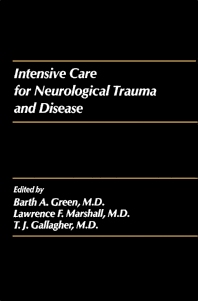
  • Intensive Care for Neurological Trauma and Disease

    • 1st Edition
    • Barth A. Green + 2 more
    • English
    Intensive Care for Neurological Trauma and Disease presents the progress in intensive care in terms of technological development on life-support and monitoring systems. This book discusses the ideal neurologic intensive care environment that is based on developments in other specialized care units. Organized into 24 chapters, this book begins with an overview of the problem of neurological trauma. This text then presents the accident scene management protocol for acute spinal cord injury as a standard to other forms of trauma system pre-hospital care. Other chapters consider the appropriate drugs and dosages for the management of status epilepticus in the newborn and older children. This book discusses as well the findings on the neurological examination and provides a framework for an etiological classification that has direct therapeutic implications. The final chapter deals with the clinical aspects, diagnosis, and management of neuromuscular diseases. This book is a valuable resource for clinicians and intensive care unit nurses.
  • Neuromuscular Function and Disorders

    • 1st Edition
    • Alan J. McComas
    • English
    Neuromuscular Function and Disorders focuses on the various processes underlying disordered neuromuscular function. Topics covered include the nature of membrane defects in myotonia and familial periodic paralysis; the disorder of neuromuscular transmission responsible for myasthenia gravis and the various pseudo-myasthenic syndromes; and the disorders of Schwann cell function which cause demyelination. This book is comprised of 28 chapters divided into two sections and begins with a discussion on the normal anatomy and physiology of peripheral nerve and muscle. Included in the first section are descriptions of the ionic mechanisms responsible for the resting and action potentials of nerve and muscle; the sequential stages in neuromuscular transmission; excitation-contracti... coupling; the sliding filament mechanism of myofibrillar shortening; and the morphological and functional properties of motor units. The neurophysiology of exercise and muscle fatigue is also considered, along with the nature of the trophic influences exerted by the motoneuron and muscle fiber upon each other. The second half of the book deals entirely with various diseases of peripheral nerve and muscle, together with diagnostic procedures and therapeutic management. A consistent theme in this section is the recognition of neural abnormalities in diseases hitherto considered as primary disorders of the muscle fiber. This monograph should be of value to neurologists, medical students, research workers, and students and research scientists in physiology, zoology, pharmacology, kinesiology, and physical education.
  • Neurology for Nurses

    • 1st Edition
    • J Bickerton + 1 more
    • English
    Neurology for Nurses is an attempt to make neurology as clear as possible, using the nursing model. The first portion of this book provides a diagram of the planes of the body that considers the nervous system anatomically, which is referenced throughout the book. The different orientations and planes of the body include the anterior (ventral) surface, posterior (dorsal) surface, lateral, medial, sagittal (median) section, Coronal (frontal) section, and transverse. Other than detailed descriptions of the anatomy and functions of nerves and the nervous system, this book provides diagnostic evaluation of diseases and clinical conditions, such as multiple sclerosis, cerebrovascular accidents, brain tumors, head injury, epilepsy, Parkinson's disease, and meningitis. This book includes as well discussions on neurological examinations, investigations, and observations. The topic on nursing care for unconscious patients is also provided. This text is aimed primarily at nursing students in training, but will also benefits those taking a post-basic nursing course in neurology.
  • Movement Disorders

    Neurology
    • 1st Edition
    • C. David Marsden + 1 more
    • English
    Neurology, Volume 2: Movement Disorders is a part of an international series of critical reviews of topics in neurology. This volume focuses on Parkinsonism and dyskinesia, a condition characterized by abnormal involuntary movements. Organized into 18 chapters, this book first elucidates the problems, causes, pathology, brain neurotransmitter changes and receptors, depression, dementia, fluctuations of disability, and treatment of Parkinson's disease. Subsequent chapters then explore the problems, controversies, and surgical approaches involved in certain dyskinesias. The role of dopamine receptors in movement disorders is also explored. This book will be valuable to neurologists-in-trai... as well as to those in research field or in practice in this field of interest. The book's clinical content will help in the management of patients with movement disorders.
  • Quantitative and Qualitative Microscopy

    • 1st Edition
    • P. Michael Conn
    • English
    Methods in Neurosciences, Volume 3: Quantitative and Qualitative Microscopy is a collection of papers that deals with microscopic techniques in statistical measures. This volume describes microscopy using sophisticated stains and dyes to advance observation of tests and experiments. Section I describes autoradiography including micro chemical methods, high-resolution autoradiography, and single- or double-label quantitative autoradiography for use in imaging of brain activity patterns or determining cerebral physiology. Section II discusses the quantification of structures through statistical and computational methods including dynamic video imaging technology. Section III explains the use of tracers, toxins, or dyes in tracing neuronal connections. One paper addresses the use of small injections of axonally transported fluorescent tracers. Section IV explains staining technology such as using the silver impregnation method for frozen sections of human nervous tissue that are gathered from tissues preserved in formalin. Section V addresses freezing techniques and those using freeze-fracture methods in neurobiology. The text also discusses cryoprotection and other freezing methods to control ice crystals found in fixed or unfixed brain tissues. Section VI presents the combined and high-resolution methods in polarization microscopy and microscopic investigations. Cellular biologists, micro-chemists, and scientific researchers in the field of micro- and cellular biology will appreciate this book.
  • Minireviews of the Neurosciences from Life Sciences

    • 1st Edition
    • Bernard B. Brodie + 1 more
    • English
    Minireviews of the Neurosciences from Life Sciences is a collection of minireviews of research in the neurosciences and originally published by the Journal of Life Sciences. These minireviews cover a wide range of topics such as the function and organization of the chromaffin vesicle; taste receptor proteins; the role of cyclic nucleotides in visual excitation; and regulation of tryptophan and tyrosine hydroxylase. Comprised of 34 chapters, this volume begins with a discussion on Na,K-ATPase, followed by an analysis of the function and organization of the chromaffin vesicles of the adrenal medulla. Subsequent chapters focus on the nerve growth factor and the acetylcholine receptor; sympathetic regulation of thyroid hormone secretion; the role of cyclic AMP in the action of antidiuretic hormone on the kidney; and neurochemical correlates of synaptically active amino acids. The role of calcium in the central effects of biogenic amines is also examined, along with the brain mechanisms underlying motor control, molecular coding of memory, and opiate receptors. This book should be of value to teachers, researchers, and students.
  • Neuroendocrinology

    Volume II
    • 1st Edition
    • Luciano Martini + 1 more
    • English
    Neuroendocrinology, Volume II, is the second in a two-volume treatise designed to provide a survey of all aspects of the rapidly expanding science of neuroendocrinology. Only in recent years have the relations between the nervous system and the endocrine system come under intensive scrutiny, but their interactions have already been shown to be multiple and diverse. This diversity is reflected in the range of subjects covered. There are chapters on neural control of endocrine function; the effects of hormones on the brain; brain-endocrine interrelations during various phases of development; and the comparative aspects of neuroendocrine integration. The relation of brain chemistry to endocrine function, the effect of drugs on neuroendocrine mechanisms, and the new discipline of clinical neuroendocrinology have also been considered. Not only neurophysiologists and endocrinologists, but pharmacologists, zoologists, biochemists, psychologists, and those in clinical medicine will find the treatise of interest. Parts of neuroendocrinology have been discussed in other works, but this is the first treatise in which an attempt has been made to cover all ramifications of neuroendocrinology. This book can be used both as a text for advanced students and as a reference source.
  • Presynaptic Receptors and Neuronal Transporters

    Official Satellite Symposium to the IUPHAR 1990 Congress Held in Rouen, France, on 26–29 June 1990
    • 1st Edition
    • S.Z. Langer + 2 more
    • English
    Advances in the Biosciences, Volume 82: Presynaptic Receptors and Neuronal Transporters documents the proceedings of the Official Satellite Symposium to the IUPHAR 1990 Congress held in Rouen, France on June 26-29, 1990. The first part of this book deals with the extensive and still increasing list of presynaptic release-modulating auto and heteroreceptors, emphasizing the various subtypes of presynaptic receptors that are characterized by functional studies, both in vitro and in vivo, using a number of experimental approaches. The next chapters are devoted to the molecular pharmacology of presynaptic receptors, of which can interfere with G proteins and modify the activity of adenylate cyclase, guanylate cyclase, or protein kinase C. The purification and molecular biology of transporter systems, including cloning and sequencing of the neuronal sodium-ion coupled GABA transporter are also discussed. This compilation concludes with insights on the function of presynaptic receptors and neuronal transporters both in the periphery and in the CNS, as well as their ubiquitous locations and physiological roles. This publication is a good reference for students and individuals researching on the presynaptic autoreceptors and neurotransmitters.
  • Clinical Anesthesia in Neurosurgery

    • 1st Edition
    • Elizabeth A. M. Frost
    • English
    Clinical Anesthesia in Neurosurgery, Second Edition, integrates the evolution of the field of neuroanesthesia with the major areas of neurosurgical activity to give the reader the required perspective and requisite information to help in laying the foundation for future advances as well as describing the current state of the art. The book contains 25 chapters organized into five parts. Part I presents studies on cerebral physiology and evaluation. Topics covered include cerebral circulation and metabolism, intraoperative neurophysiologic monitoring, and central nervous system effects of anesthetic agents. Part II covers neurosurgical and related procedures, such as posterior cranial fossa surgery, surgery of the spine, and peripheral nerve surgery. Part III examines central nervous system trauma including spinal cord trauma and cardiovascular effects of severe head injury. Part IV takes up postoperative and intensive care, including postanesthetic care, neurosurgical intensive care, and parenteral nutrition while Part V deals with the medical criteria and legal aspects of brain death.
  • Clinical Neuroendocrinology

    • 1st Edition
    • G. M. Besser + 1 more
    • English
    Clinical Neuroendocrinology, Volume II discusses neuroendocrine science and its application to the analysis of human physiology and behavior. This book stresses the importance of the interrelationships between central and peripheral signals, neurotransmitters and neuromodulators, and target glands and peripheral tissues to ensure coordination of somatic and behavioral development and function. The ""centralist"" concepts of the importance of brain hormones are revised in this text, emphasizing that neurohumoral factors isolated from brain tissues, and initially considered to be primarily involved in the central nervous system regulation of the endocrine system, also exist outside the brain and spinal cord. This volume is valuable to neuroendocrinologist... but is also a good source for those involved in basic and clinical research and patient management.
  • Neurological Emergencies

    • 1st Edition
    • S.D. Shorvon
    • English
    Neurological Emergencies presents a comprehensive guide on the initial assessment and early treatment of patients with neurological emergencies. It discusses the diagnosis, emergency investigations, and handling of coma patients. It addresses the management of focal supratentorial lesion. Some of the topics covered in the book are the diffuse neurological or systemic disturbance; emergency resuscitation; diagnosis and treatment of transtentorial herniation; diagnosis and treatment of acute viral encephalitis; raised intracranial pressure; diagnosis and treatment of non-viral infective encephalitis; viral meningitis; meningovascular syphilis; diagnosis and treatment of cerebral abscess; diagnosis and treatment of intracranial subdural empyema; and diagnosis and treatment of cerebral venous thrombosis. The diagnosis and treatment ofstroke is fully covered. An in-depth account of the difference between haemorrhage and infarction is provided. The diagnosis of subarachnoid haemorrhage is completely presented. A chapter is devoted to the prevention of more cranial bleeding.
  • Computers and Computations in the Neurosciences

    • 1st Edition
    • P. Michael Conn
    • English
    Methods in Neurosciences, Volume 10: Computers and Computations in the Neurosciences discusses the use of computers in the neurosciences. The book deals with data collection, analysis, and modeling, with emphasis on the use of computers. Section I involves data collection using a personal microcomputer system. One paper presents a tutorial on using a PC-based motor control composed of an electronic circuit to adjust the motion of a light microscope stage through a software program. Other papers discuss computer methods in nuclei cartography and a computer-assisted quantitative receptor autoradiography in studying receptor density distribution. Section II deals with data analysis and some computer programs for kinetic modeling of gene expression in neurons. The book also discusses a computerized analysis of opioid receptor heterogeneity by ligand binding in test animals using computerized programs instead of employing manual or graphical methods. Computerized curve-fitting allows the researcher to utilize a more precise mathematical model to describe the binding of one ligand to one class of sites. Section III evaluates data modeling and simulations and describes the practicality of using computers to design model ion channels. Another paper discusses a graphical interaction program called MEMPOT to simulate an electrophysiological investigation of the properties of the membrane potential in stimulated cells. The book also presents a quantitative data gathered from computer simulation of the factors that affect neuronal density per measured sections. The book is suitable for microbiologists, biochemists, neuroscientists, and researchers in the field of medical research, as well as for advanced computer programmers in medical research work.
  • Microsurgery

    Applied to Neurosurgery
    • 1st Edition
    • M. G. Yaşargil
    • English
    Microsurgery Applied to Neurosurgery focuses on microsurgical approaches to cerebrospinal lesions, including plastic surgery, suturing techniques, instruments for microsurgery, and microsurgical operations. The manuscript first offers information on the history of microsurgery and the operating microscope. Discussions focus on bipolar electric coagulation, plastic surgery, peripheral nerves, clinical application, binocular diploscope, automatic microscope stand, sterile covering of the microscope, and magnification. The text also elaborates on the instruments for microsurgery and suturing techniques. The publication takes a look at experimental microsurgical operations in animals and reconstructive and constructive surgery of the cerebral arteries in man. The manuscript also ponders on intracranial tumors and transnasal-transsphe... approach to the pituitary gland. Topics include transsphenoidal approach, suboccipital transmeatal approach, spinal tumors, and preoperative radiological study. The manuscript is a dependable reference for health professionals and readers interested in microsurgery.
  • Models of Human Memory

    • 1st Edition
    • Donald A. Norman
    • English
    Models of Human Memory provides an overview of the state of knowledge on human memory models. The book begins with an introductory chapter on the basic stages of the memory system and the historical roots of memory models. The remaining chapters are organized into five parts. Part I on memory systems covers topics such as a system for perception and memory; multi-trace strength theory of memory; and a model for postperceptual verbal memory that postulates a single memory store, with multiple copies, called replicas, created in memory by rehearsal processes. Part II presents studies phoneme storage and word recognition. Part III on memory for associations examines the storage-retrieval theory for the memorizing processes and presents simple model of short-term memory (STM) for paired associates. Part IV on storage and retrieval mechanisms deals with mechanisms of repetition and rehearsal in short-term memory; models of recall and recognition; and memory search models. Part V presents a theory of human long-term associative memory; and examines conceptual and methodological interactions between information-processi... investigations of cognitive activity and attempts to build models of memory.
  • Pain Syndromes in Neurology

    Butterworths International Medical Reviews
    • 1st Edition
    • Howard L. Fields
    • English
    Pain Syndromes in Neurology deals with the diagnosis and treatment of painful conditions associated with dysfunction of the peripheral or central nervous system. It discusses advances in three areas: first, the normal anatomy and physiology of pain; second, the pathophysiology of damaged sensory neurons; and third, the diagnosis and treatment of patients with neuropathic pain. The book begins with a discussion of neural mechanisms relevant to pain perception along with a brief review of neuropathic pain. This is followed by separate chapters on hyperalgesia following cutaneous injury; the importance of peripheral processes in the etiology of neuropathic and radiculopathic pain; and mechanisms by which sympathetic efferent fibers contribute to the occurrence of pain. Subsequent chapters cover the diagnosis and treatment of reflex sympathetic dystrophy; pain in generalized neuropathies; surgical treatment of pain; clinical features and management of postherpetic neuralgia; diagnosis of cancer pain syndromes; and drugs in the management of chronic pain.
  • Receptors in the Human Nervous System

    • 1st Edition
    • F. A. O. Mendelsohn + 1 more
    • English
    Receptors in the Human Nervous System is a synthesis of the results of receptor mapping by leaders in the field. In addition to a comprehensive discussion of the distribution and possible interactions of the receptors of different neuroactive substances, this book also contains an abundance of pictorial representations of receptor distributions. High-quality photographs of one receptor are often juxtaposed with photographs of the distribution of a different receptor or receptor subtype for the consideration of possible interactions between different systems. The book surveys the distribution of receptor subtypes for the classical monoamine transmitters (acetylcholine, adrenaline, noradrenaline and serotonin) as well as the distribution of receptors for the excitatory and inhibitory amino acids, (glutamate, GABA and benzodiazepines) as well as the opioid peptides, angiotensen and other neuropeptides. The distribution of multiple types of serotonin receptors is given in detail, and the codistribution of receptors in the cortex is discussed. The book is directed toward researchers in the field of chemical neuroanatomy, as well as pharmacologists, neurophysiologists, and neuroscientists.
  • Neuroendocrine Perspectives

    Volume 3
    • 1st Edition
    • Eugenio E. Müller + 1 more
    • English
    Neuroendocrine Perspectives, Volume 3 provides information on amine and peptide biochemistry. This book discusses the availability of specific biochemical and histochemical techniques that have greatly advanced knowledge of central nervous system neurotransmitter and neuropeptide systems. Organized into nine chapters, this volume begins with an overview of the structure of corticotropin releasing hormone. This text then examines the possible role of the cerebrospinal fluid in the regulation of pituitary function. Other chapters consider the importance of cerebrospinal fluid as a route for the hypothalamic regulation of pituitary function. This book discusses as well the available information concerning the neuroendocrine mechanisms involved in the onset of female puberty in primate and subprimate species. The final chapter deals with pineal indole metabolism and its controlling mechanisms as well as information on the interactions of the pineal hormones with neuroendocrine-repro... axis. This book is a valuable resource for pharmacologists, research workers, and students.
  • The Molecular Biology of Neurological Disease

    Butterworths International Medical Reviews
    • 1st Edition
    • Roger N. Rosenberg + 1 more
    • English
    The Molecular Biology of Neurological Disease reviews advances that have been made in understanding the molecular mechanisms of neurological disorders as well as immediate and future applications of molecular biological techniques to clinical practice. This book explores the molecular genetics of neurological disease such as muscular dystrophy, Joseph disease, and Huntington's disease, along with the mitochondrial genes implicated in such conditions. This text is comprised of 18 chapters and begins by introducing the reader to the basic principles and methods of molecular genetic techniques used in the diagnosis of neurological disease. Attention then turns to several aspects of genetic expression in the brain, including the extent to which the genome is expressed in the brain. The next chapter focuses on the visualization of polyadenylated messenger RNAs in individual cells in mammalian brain using in situ hybridization techniques, combined with immunohistochemical localization of specific proteins and neuropeptides implicated in diseases such as Alzheimer dementia. This book also discusses the molecular biology of chemical synaptic neurotransmission; proteins involved in the regulation of nervous system development; and gene expression in skeletal muscle. This text then concludes with a summary of the ""neurological gene map"" as it stands in the latter part of 1987. This book is intended for physicians who grapple with the problems of neurological disorders on a daily basis, including neurologists, neurologists in training, and those in related fields such as neurosurgery, internal medicine, psychiatry, and rehabilitation medicine.
  • Comparative Neurochemistry

    Proceedings of the Fifth International Neurochemical Symposium
    • 1st Edition
    • Derek Richter
    • English
    Comparative Neurochemistry, a collection of papers presented at the Fifth International Symposium of Comparative Neurochemistry, held at St. Wolfgang, Austria in 1962, deals with variations in neurochemical mechanisms in different animal species. The book integrates the data derived from comparative studies in different disciplines and assesses their significance in relation to the understanding of nervous mechanisms in animals, including human. The papers are grouped into sections, which cover general topics on functional organization in different species; lipids, proteins, and ribonucleic acid; amino acids in different species; energy metabolism and function; neurosecretory mechanisms; and comparative neuropharmacology. The text will be of interest to biologists, zoologists, pharmacologists, chemists, neurologists, and researchers in the pharmaceutical and chemical industries.
  • Diagnostic Reference Index of Clinical Neurology

    • 2nd Edition
    • Pasquale F. Finelli
    • English
    Diagnostic Reference Index of Clinical Neurology aims to give the busy clinician a fast, easy-to-use guide to the core neurological literature published from 1980 to 1986. This book is divided into two sections, key words and references. The keywords section consists of neuroscience terms and each main entry is followed by reference citation numbers and corresponding references. This index, unlike the usual computerized systems for literature retrieval, is structured around clinical problems and uses the approach and terminology of a practicing neurologist. The contents were sources from the full text of articles that were published in critical core of fourteen major international English-language journals in medicine and neurology. This book will be of interest to neurology students and to practicing clinical neurologists.
  • Peripheral Neuropathies

    Proceedings of the International Symposium on Peripheral Neuropathies Held in Milan, Italy, on June 26–28, 1978
    • 1st Edition
    • N. Canal + 1 more
    • English
    Peripheral Neuropathies compiles lectures presented at the Symposium on Peripheral Neuropathies held in Milan, Italy on June 26-28, 1978. This book covers the basic problems in peripheral nerve pathology; axonal transport; neuropathies in chronic renal failure; peripheral neuropathies in diabetes; compression neuropathies; and metabolic, genetic, and inflammatory neuropathies. This text also discusses topics such as filamentous inclusions in Schwann cell nuclei; autonomie dysfunction and myokymia in gold neuropathy; study of the effect of gangliosides on experimental carbon disulfide neuropathy; and peripheral nerve changes in Refsum's disease before and after treatment. This compilation is a useful source of information for students and researchers conducting investigative work on peripheral neuropathy.
  • Catecholamines: Basic and Clinical Frontiers

    Proceedings of the Fourth International Catecholamine Symposium, Pacific Grove, California, September 17-22, 1978
    • 1st Edition
    • Earl Usdin + 2 more
    • English
  • Studies in Neurolinguistics

    • 1st Edition
    • Haiganoosh Whitaker + 1 more
    • English
    Studies in Neurolinguistics, Volume 3 presents detailed case histories, multi-subject experimental studies, literature reviews, and research papers that employ a variety of experimental and observational techniques. This volume contains seven chapters that focus on a wide range of research in the field of neurolinguistics. Chapter 1 discusses the various approaches to the problem of auditory comprehension in aphasia. A survey of the world's literature on bilingualism and aphasia is provided in chapter 2. The third chapter examines the different models and explanations for conduction aphasia. Chapter 4 provides a synthesis of the anatomic, physiologic, and behavioral research on the role of the limbic system in human communication. Chapter 5 presents a model of individual differences in hemispheric functioning, in which a number of theories about the left and right hemispheres are analyzed and compared. Chapter 6 shows how different levels of language are revealed. The last chapter addresses "The Question of Electrophysiological Asymmetries Preceding Speech" in a study of the readiness potentials over the motor and premotor regions in eight subjects. Linguists, psychologists, and neurologists will find the book highly informative.
  • British Surgical Practice

    Abdominal Emergencies to Autonomic Nervous System
    • 1st Edition
    • Ernest Rock Carling + 1 more
    • English
    British Surgical Practice, Volume I describes the diagnosis, physiology, symptoms, treatment, and appropriate surgical procedure of various health problems. This book is composed of 45 chapters, and begins with discussions on the available treatment and surgical options for abdominal problems, abortion, formation of abscess, achlorhydria, acidosis, actinomycosis, and pulmonary tuberculosis. Other chapters describe the clinical features and surgical treatments for other medical conditions, including allergy, amebiasis, amputations, amyloidosis, angina pectoris, and angioma. Considerable chapters explore the fundamentals and principles of post-operative methods and surgical anesthesia. The concluding chapters consider the surgical options for anus problems, anxiety states, appendicitis, arthritis, and artery and autonomic nervous problems. Surgeons, physicians, and medical personnel will find this book invaluable.
  • Principles, Practices, and Positions in Neuropsychiatric Research

    Proceedings of a Conference Held in June 1970 at the Walter Reed Army Institute of Research, Washington, D.C., in Tribute to Dr. David Mckenzie Rioch upon His Retirement as Director of the Neuropsychiatry Division of That Institute
    • 1st Edition
    • Joseph V. Brady + 1 more
    • English
    Principles, Practices and Positions in Neuropsychiatric Research contains the proceedings of a conference held in June 1970 at the Walter Reed Army Institute of Research, Washington, D.C., in tribute to Dr. David McKenzie Rioch upon his retirement as Director of the Neuropsychiatry Division of that institute. This book is composed of the original contributions presented at the conference, as well as several invited papers that could not be programmed at the meeting because of certain limitations. Topics covered in some papers focus on anatomy of the thalamus; glia-neuronal interaction; receptor characteristics and conduction velocities in bladder afferents; responses of photoreceptors; and specificity of responses of cells in the visual cortex. This text also discusses the channeling of responses elicited by hypothalamic stimulation; neurochemistry of reward and punishment; behavioral analysis of aphasia; and biology of sleep. The military psychiatry and changing systems of mental health care, as well as psychological issues in training for research in psychiatry are also addressed. The contributions in this book will serve to reflect the remarkable range of bio-social research interest and competence.
  • Steroid Hormone Regulation of the Brain

    Proceedings of an International Symposium Held at the Wenner-Gren Center, Stockholm, 27-28 October 1980
    • 1st Edition
    • Kjell Fuxe + 2 more
    • English
    Steroid Hormone Regulation of the Brain focuses on the advancement of knowledge of the properties of brain steroid receptors and steroid target nerve cells, including the actions of gonadal steroids, adrenocortical steroids, and androgenic steroids on the brain. The selection features the work of authors who have inspiringly conducted extensive studies on the action of steroid hormones. The book starts with discussions that point out that steroid hormones not only function through intracellular steroid receptors, but possibly through steroid membrane actions as well. Studies to support this claim are presented. As to the action of steroid hormones on presynaptic transmitter mechanisms, the book suggests that adrenocortical and gonadal steroids can create alterations in noradrenaline, adrenaline, and dopamine levels and turnover within the hypothalamus and preoptic area. The effects of catecholestrogens on the brain are also elaborated. A contribution to this paper stresses that estrogens have antidopaminergic action in the extrapyramidal system. This idea is identified through a series of behavioral experiments and measurements of the levels of striatal acetylcholine. This selection is recommended to scientists interested in studying the effect of hormones on the brain.
  • Biochemical Factors Concerned in the Functional Activity of the Nervous System

    First International Meeting of the International Society for Neurochemistry, Strasbourg, 1967
    • 1st Edition
    • D. Richter
    • English
    Biochemical Factors Concerned in the Functional Activity of the Nervous System presents the biological aspects concerned in the functional activity of the nervous system. This book covers several interesting topics concerning the central nervous system, including phospholipids, RNA synthesis, nerve impulse flow, and nerve growth factor. Comprised of 213 chapters, this book begins with an overview of the electron micrographs of calcium–ATP–phosphol... complexes. This text then examines the biochemical and histochemical studies on sectioned rat spinal cords, which demonstrated two types of monoamine-reducing drugs. Other chapters consider the diversity of antagonistic relations between the thiamine derivatives and vitamin B6, which is manifested by changes in the glutamate–GABA, histidine–histamine, tryptophan–serotonin... and tyrosine–noradrenali... systems. This book discusses as well the influence of a conditioned avoidance training experience on the incorporation of radioactive uridine into the RNA of mouse brain. The final chapter deals with the amino acid-incorporating activity of cerebral polyribosomes. This book is a valuable resource for biochemists, neurologists, pharmacologists, and biophysicists.
  • Progress in Neurology and Psychiatry

    An Annual Review
    • 1st Edition
    • E. A. Spiegel
    • English
    Progress in Neurology and Psychiatry: An Annual Review, Volume 22 covers the significant advances in the understanding of neurophysiology, neuro-ophthalmology, and psychiatry. This volume is organized into four sections encompassing 33 chapters that also deal with the neurological aspects of pain and motor disorders. The first part discusses the fundamentals of neuroanatomy, general and regional neurophysiology, neuropathology, and the pharmacological aspects of the central nervous system. The second part examines the diagnosis, symptoms, and clinical features of neurological disorders. This part also explores the anatomical aspects of neuro-ophthalmology, otoneurology, and pediatric neurology. The third part reviews the surgical treatments for various neuro-related problems, including trauma, brain tumors, pain, and motor disorders. The fourth part considers the application of clinical psychiatry to the diagnosis and treatment of mental and emotional disorders, both in children and adults. This book will prove useful to neurologists, clinicians, pediatricians, and psychiatrists.
  • Ion Channels of Excitable Cells

    • 1st Edition
    • Volume 19
    • P. Michael Conn + 1 more
    • English
    Because of the highly significant and widely recognized roles of ion channels in physiology, pathophysiology, pharmacology, and toxicology, the term ion channel has now become a household word in the biomedical sciences. This volume covers preparations and techniques for the study of various ion channels. Both voltage-gated and ligand-gated ion channels of neurons, axons, and cardiac and smooth muscles are covered. It includes not only patch clamp techniques but molecular biology and imaging techniques as well.
  • Biological Markers in Psychiatry and Neurology

    Proceedings of a Conference Held at the Ochsner Clinic, New Orleans, on May 8-10, 1981
    • 1st Edition
    • Earl Usdin + 1 more
    • English
    Biological Markers in Psychiatry and Neurology is a collection of papers that details the advancement in the understanding of the biological markers that stems from psychiatric and neurological pathologies. The text first covers topics about various biological markers, such as neurochemical, enzymatic, membrane, receptors, endocrine, and physiological. Next, the selection examines the relationship between alcohol abuse and biological papers. The next part covers the genetic aspects of biological markers. The text also deals with use of tomography and modeling theory. The book will be of great use to students, researchers, and practitioners of neurology and psychiatry. Psychologists will also benefit from the text.
  • Topical Reviews in Neurosurgery

    Volume 1
    • 1st Edition
    • J. M. Rice Edwards
    • English
    Topical Reviews in Neurosurgery, Volume 1 focuses on neurosurgery, a medical specialty concerned with the prevention, diagnosis, treatment, and rehabilitation of disorders that affect any portion of the nervous system. This book discusses the advances in computed tomography, vascular surgery in neurological disorders, and carotid endarterectomy. The extracranial-intracr... anastomosis, etiology of chronic subdural hematoma, radical surgery in the treatment of craniopharyngiomas, and syringomyelia are also covered. Other topics include the sensory neural deafness; aneurysmal hemorrhage; detection of carotid stenosis; bypass procedures; and completed stroke in the carotid territory. This publication likewise considers the middle cerebral aneurysms; cell kinetics of glioma; and pathophysiology of enlargement of chronic subdural hematomas. This publication is a good source for neurosurgeons and medical students interested in neurosurgery.
  • Methods in Neurotransmitter and Neuropeptide Research

    • 1st Edition
    • Volume 11
    • S.H. Parvez + 2 more
    • English
    This two-part book provides the most advanced biochemical and histochemical analytical methods on neurotransmitters, neuromodulators, and neuropeptides described by international specialists. The biochemical methods include liquid chromatography/elect... liquid chromatography/fluor... and chemiluminescence detection, gas chromatography or liquid chromatography with mass spectrometry, and immunoassays.Morphol... and physiological methods are also described, including immunohistochemistry... in situ hybridization, in vivo microdialysis, electrophysiological analysis, microwave irradiation, electrophysiological analysis, micro-anatomical dissection, peptide sequence analysis, quantitative autoradiographic analysis, and isolated CNS preparations. The neurotransmitters and neuropeptides include catecholamines, indoleamines, histamine, polyamines, and various neuropeptides, and their related enzymes. The book is the most comprehensive, advanced and versatile volume on the biochemical, morphological and physiological analysis of neurotransmitters and neuropeptides.
  • The Release of Catecholamines from Adrenergic Neurons

    • 1st Edition
    • David M. Paton
    • English
    The Release of Catecholamines from Adrenergic Neurons covers the advances in understanding the mechanism of catecholamine release and other neurotransmitters from adrenergic neurons. This book is organized into four sections encompassing 18 chapters. The opening section surveys biochemical studies of the mechanism and regulation of nerve stimulation. This section examines the role of calcium, prostaglandins, and presynaptic adrenoceptors and muscarine receptors in catecholamine release. The next section describes the modification of catecholamine release by several drugs, including adrenergic neuron blocking agents, narcotic analgesics, opioid peptides, lysergic acid diethylamide, anesthetics, alcohols, and adenosine and adenine nucleotides. These topics are followed by discussions of catecholamine release induced by cations and other drugs, such as nicotinic agonists, calcium ionophores, veratridine, scorption venom, and phenethylamines. The final section deals with the biochemical assessment of peripheral adrenergic activity and the clinical pharmacology of adrenergic neuron blocking agents. This book is intended for pharmacologists, neurologists, researchers, and advanced students.
  • Infections of the Nervous System

    Butterworths International Medical Reviews
    • 1st Edition
    • Peter G. E. Kennedy + 1 more
    • English
    Infections of the Nervous System aims to continue the legacy of its predecessor, Modern Trends in Neurology. Its goal is to produce annually a monograph on a topic in clinical neurology in which progress through research has brought about new concepts of patient management. This book is organized into 13 chapters. It highlights the areas or subjects in which significant advances have been made which also have relevance to the treatment of patients. It covers a number of important aspects of different infectious diseases of the nervous system including acute bacterial meningitis, tuberculosis of the nervous system, spirochaetal infections of the nervous system, and fungal diseases of the central nervous system. This book is intended for use by physicians who deal with the problems of neurological disorder on a daily basis, whether they are neurologists, neurologists in training, or those in related fields such as neurosurgery, internal medicine, psychiatry, and rehabilitation medicine.
  • Neuro-psychopharmacology

    Proceedings of the Tenth Congress of the Collegium Internationale Neuro-Psychopharmacologicum Québec, July 4-9, 1976
    • 1st Edition
    • P. Deniker + 2 more
    • English
  • Experimental Analysis of Behavior

    • 1st Edition
    • Volume 6
    • I.H. Iversen + 1 more
    • English
    This volume is dedicated to the late B.F. Skinner as a tribute to his pioneering work on the Experimental Analysis of Behavior. This science that he initiated studies the behavior of individual organisms under laboratory conditions.The volume describes a broad collection of representative and effective research techniques in the Experimental Analysis of Behavior; techniques derived solely from infrahuman subjects, which have been selected both for their utility in behavior analysis and for their potential value in expanding the use of behavior analysis in the neurosciences. By bringing together under one cover the expertise of individual authors regarding techniques based on their particular laboratory experiences, the book provides an informative and practical source of methods and techniques for those practising or interested in Experimental Analysis of Behaviour.