Books in Life sciences

  • Introduction to Enzymology

    • 1st Edition
    • Alan H. Mehler
    • English
    Introduction to Enzymology focuses on the processes, methodologies, reactions, and approaches involved in enzyme chemistry. The book first offers information on the hydrolysis of peptides and proteins and fermentation and oxidation of major metabolic fuels. Discussions focus on oxidation of fatty acids, alternative pathways of carbohydrate metabolism, Krebs citric acid cycle, free energy and the concept of bond energy, pyruvate oxidation and acetyl coenzyme A formation, and glycolysis. The text then elaborates on the transfer of oxygen, hydrogen, and electrons and sugars and sugar derivatives. The publication takes a look at polynucleotides and their components, amino acids, and acids and acid derivatives. Topics include carbonic anhydrase, mechanism of action of pyridoxal phosphate enzymes, aromatic ring biosynthesis and metabolism of phenylalanine and tyrosine, metabolism of sulfur-containing amino acids, and oxidation of amino acids. The book is a valuable reference for chemists and researchers interested in enzymology.
  • Control of Energy Metabolism

    • 1st Edition
    • Britton Chance + 2 more
    • English
    Control of Energy Metabolism: A Colloquium of the Johnson Research Foundation focuses on the processes, reactions, and approaches involved in the control of energy metabolism. The selection first offers information on the respiratory chain as a model for metabolic control in multi-enzyme systems, dynamics and control in cellular reactions, and computer-based analysis of biochemical data. The text then explores purification and properties of rabbit skeletal muscle phosphofructokinase; multiple forms of heart phosphofructokinase; and mechanisms of inhibition and activation of phosphofructokinase in Novikoff ascites tumor cells. Discussions focus on the properties of purified phosphofructokinase; effect of heart extracts on reactivation of phosphofructokinase; active and inactive forms of phosphofructokinase; and effect of hexose phosphate and adenylic nucleotides on reactivation of phosphofructokinase. The manuscript takes a look at enzyme and metabolite profiles; coordinated stimulation of hexokinase and phosphofructokinase by phosphate in a reconstituted system of glycolysis; control of hexokinase in ascites tumor glycolysis; and cation flux across the mitochondrial membrane as a possible pacemaker of tissue metabolism. The selection is a vital reference for biochemists and researchers interested in the control of energy metabolism.
  • An Introduction to Parasitology

    • 1st Edition
    • John M. Watson
    • J. B. Stenlake
    • English
    Pharmaceutical Monographs, Volume 2: An Introduction to Parasitology focuses on the principles, methodologies, and approaches involved in parasitology, including treatment, infections, and parasitism. The book first offers information on the nature of parasitism, characteristics of parasites, relationship of parasites to hosts, physiology and ecology of parasites, infection, transmission and dissemination of parasites, and resistance and immunity to parasitic infections. The text then examines protozoology and helminthology. Discussions focus on the nature and classification of parasitic worms, biology of parasitic worms, pathogenic effects of parasitic worms, and nature and classification of Protozoa. The manuscript ponders on entomology, malacology, and diagnosis, treatment, and prevention. Topics include classification of mollusks, bionomics and control, nature and classification of Arthropoda of medical and veterinary importance, mosquitoes, bugs, fleas, and mites and ticks. The publication is a vital reference for researchers interested in parasitology.
  • Recombinant DNA Laboratory Manual

    • 1st Edition
    • Judith W. Zyskind + 1 more
    • English
    Recombinant DNA Laboratory Manual is a laboratory manual on the fundamentals of recombinant DNA techniques such as gel electrophoresis, in vivo mutagenesis, restriction mapping, and DNA sequencing. Procedures that are useful for studying either prokaryotes or eukaryotes are discussed, and experiments are included to teach the fundamentals of recombinant DNA technology. Hands-on computer sessions are also included to teach students how to enter and manipulate sequence information. Comprised of nine chapters, this book begins with an introduction to bacterial growth parameters, how to measure bacterial cell growth, and how to plot cell growth data. The discussion then turns to the isolation and analysis of chromosomal DNA in bacteria and Drosophila; plasmid DNA isolation and agarose gel analysis; and introduction of DNA into cells. Subsequent chapters deal with Tn5 mutagenesis of pBR329; DNA cloning in M13; DNA sequencing; and DNA gel blotting, probe preparation, hybridization, and hybrid detection. The book concludes with an analysis of lambda phage manipulations. This manual is intended for advanced undergraduate or beginning graduate students and should also be helpful to established investigators who are changing their research focus.
  • Hormonal Proteins and Peptides

    • 1st Edition
    • Choh Hao Li
    • English
    Hormonal Proteins and Peptides, Volume I reviews extensively the knowledge on the biology and chemistry of the protein and peptide hormones. This book presents the structures of the various protein and peptide hormones. Organized into five chapters, this volume begins with an overview of the chemistry of several hormonal glycoproteins. This text then presents the research on the purification and chemistry of thyroid-stimulating hormone (TSH). Other chapters consider the study of ovine interstitial cell-stimulating hormone, and concentrate to some extent on the very closely related bovine species. This book discusses as well some aspects of the biology of the pituitary interstitial cell-stimulating hormone or luteinizing hormone in mammalian species. The final chapter deals with the correlation of the primary structure with function for a better understanding of the mechanism of action of the hormone at a molecular level. This book is a valuable resource for biologists, biochemists, and research workers.
  • The Plasma Proteins

    Isolation, Characterization, and Function
    • 1st Edition
    • Frank W Putnam
    • English
    The Plasma Proteins, Volume I: Isolation, Characterization, and Function focuses on the reactions, properties, characteristics, and transformations of plasma proteins. The selection first offers information on the fractionation and isolation of purified components by precipitation methods and electrophoretic and ultracentrifugal analysis of normal human serum. Discussions focus on correlation of electrophoretic and ultracentrifugal results, electrophoretic analytical methodology and results, parameters influencing protein solubility, and techniques for the separation of proteins by precipitation methods. The text then ponders on the chromatography of plasma proteins and chemical composition and molecular parameters of purified plasma proteins. The manuscript elaborates on plasma albumin and macroglobulins and high molecular weight antibodies. Topics include immunological properties, physical and chemical properties of normal and pathological macroglobulins, purity, homogeneity, and variability, denaturation behavior, and sulfhydryl groups, mercaptalbumin, and the mercury dimer. The book then examines glycoproteins and metal-binding plasma proteins and cation transport. The selection is a highly recommended reference for biochemists and clinicians interested in plasma proteins.
  • The Peptides

    Methods of Peptide Synthesis
    • 1st Edition
    • Eberhard Schröder + 1 more
    • English
    The Peptides, Volume I: Methods of Peptide Synthesis focuses on detailed description of protecting groups, individual amino acids, and coupling reactions. The publication first offers information on amino-protecting and carboxyl-protecting groups, including carboxyl protection by salt formation, esterification, and amide formation and acyl-type, alkyl-type, and urethane protecting groups. The text then examines the formation of the peptide bond and amino acids. Discussions focus on amino acids with the alcoholic hydroxyl group, sulfur amino acids, basic and acidic amino acids, synthesis of peptides by activation of the amino group, and peptide synthesis by activation of the carboxyl group. The manuscript elaborates on the synthesis of cyclic peptides, depsipeptides, peptoids, and the plastein reaction. Topics include synthesis of plastein-active peptides, glycopeptides, phosphopeptides, and S-peptides. The publication is a dependable source of data for readers interested in the methods of peptide synthesis.
  • Haematin Enzymes

    A Symposium of the International Union of Biochemistry Organized by the Australian Academy of Science Canberra
    • 1st Edition
    • J. E. Falk + 2 more
    • English
    International Union of Biochemistry, Volume 19: Haematin Enzymes, Part 1 provides information pertinent to the fundamental aspects of hematin enzymes. This book covers a variety of topics, including porphyrin complexes, chemical reactions of iron complexes, hemoprotein molecules, metalloporphyrins, and oxyhemoglobins. Organized into 22 chapters, this volume begins with an overview of the relevance of magnetic susceptabilitty and magnetic resonance data. This text then examines studies on electron-transfer processes involving metal ions and shows how the electronic structures of the hem enzymes may be relevant to the types of electron-transfer that can take place. Other chapters consider the implications of the coordination of organic molecules to metal ions. This book presents as well a comparison between known properties and reactions of some simple iron complexes with chelating and conjugated ligands. The final chapter deals with the chemical structures of the prosthetic groups of the cytochromes of type a. This book is a valuable resource for scientists, theorists, and research workers.
  • Determination of the Size and Shape of Protein Molecules

    A Laboratory Manual of Analytical Methods of Protein Chemistry (Including Polypeptides), Vol. 3
    • 1st Edition
    • P. Alexander + 1 more
    • English
    Analytical Methods of Protein Chemistry, Volume 3: Determination of the Size and Shape of Protein Molecules provides information pertinent to the analysis and isolation of protein. This book deals with the measurement of the macromolecular properties of proteins. Organized into seven chapters, this volume begins with an overview of the theory and practice of the electron microscope to allow an understanding of the type of object that may be examined. This text then describes the methods of making protein molecules conform to such an ideal, which are the techniques of specimen preparation. Other chapters consider the determinations of osmotic pressures of proteins. This book discusses as well the experimental basis for the theory of the diffusion process in liquids. The final chapter deals with the technical problem characteristics of light-scattering. This book is a valuable resource for electron microscopists, protein chemists, biologists, physicist, physico-chemists, scientists, and research workers.
  • A Text-Book of Medical Bacteriology

    • 1st Edition
    • R. W. Fairbrother
    • English
    A Text-Book of Medical Bacteriology provides information pertinent to the medical aspects of bacteriology. This book presents the biological relationship of allied organisms. Organized into three parts encompassing 37 chapters, this book begins with an overview of the salient features of the development of bacteriology. This text then explores the food requirements of the bacteria as well as the elements necessary for the synthesis of the bacterial protoplasm. Other chapters consider the numerous and complex factors involved in the reproduction of bacteria. This book discusses as well the presence of antitoxins in the serum of an individual, which is an indication of increased resistance to infection with the homologous organism. The final chapter deals with serological reactions that are most widely used, including agglutination, precipitation, and complement-fixation. This book is a valuable resource for medical students, physicists, bacteriologists, chemists, biochemists, and research workers.
  • An Introduction to General Virology

    • 1st Edition
    • Thomas M. Bell
    • English
    An Introduction to General Virology provides information pertinent to all aspects of virology. This book discusses the viruses affecting plants and insects. Organized into 25 chapters, this book begins with an overview of prevention of disease that can be effected by the immunization of susceptible hosts to produce circulating antibodies that neutralize viral infectivity. This text then discusses the general properties of the viruses. Other chapters consider the methods of preparing tissue cultures and explain the methods used for titrations of serum antibodies and serological identification of viruses. This book discusses as well the spread of diseases, the various invasion routes of the body, and the multitude of viruses which cause respiratory symptoms and which cannot easily be conquered. The final chapter deals with the types of vaccine in use. This book is a valuable resource for undergraduates in Medicine and Science and for postgraduates in the class of Public Health.
  • Bacteriology for Nurses

    • 2nd Edition
    • Geoffrey A. Taylor
    • English
    Bacteriology for Nurses provide nurses and others who are associated with medicine with a simple outline of basic bacteriology and the applications of bacteriology to medicine and to nursing. The fundamentals of medical bacteriology, namely the anatomy and physiology of bacteria, infection, and the body defenses against infection are discussed. The bacteria which cause common diseases of various sites in the body, such as the respiratory tract and the gastrointestinal tract, are considered together. Only common and important infections are included. Comprised of 15 chapters, this book begins with a historical background on bacteriology, followed by a discussion on the biology of bacteria. A classification of bacteria is then presented, and infections caused by bacteria are described. Subsequent chapters focus on body defenses against bacterial infections; rickettsiae and viruses; pyogenic and chronic bacterial infections; and collection of bacteriological specimens as part of bacteriological diagnosis. Infections of the respiratory tract, gastrointestinal tract, and the nervous system are also analyzed. The final chapter is devoted to elementary parasitology. This monograph will be of interest to nurses as well as immunologists, bacteriologists, pathologists, physiologists, clinicians, and research workers in the field of medicine.
  • An Introduction to Medical Laboratory Technology

    • 1st Edition
    • F. J. Baker + 2 more
    • English
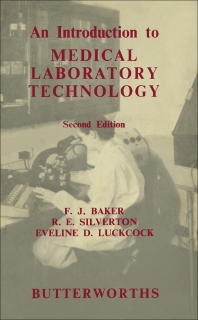
    An Introduction to Medical Laboratory Technology, Second Edition provides information pertinent to medical laboratory technology. This book discusses the importance of laboratory technology in hospital practice. Organized into seven sections encompassing 33 chapters, this edition begins with an overview of the role of the medical technologist in the diagnosis of disease by the use of certain accepted laboratory methods. This text then explains the general types of glassware that is widely used in medical laboratories. Other chapters consider the main methods of estimating the sugar content of body fluids, methods in feces and gastric analysis, and microscopical and chemical examination of urine. This book discusses as well the microscopic examination of bacteria, which necessitates making smears and hanging-drop preparations on microscope slides. The final chapter deals with some aspects of elementary physiology. This book is a valuable resource for students and junior technicians, as well as for qualified technologists and medical students.
  • Studies of the Development and Decay of the Human Frame

    • 1st Edition
    • Joseph Trueta
    • English
    Studies of the Development and Decay of the Human Frame provides information pertinent to the development of human skeleton. This book presents the study of the nature and reactions of the living tissues that constitute the skeleton. Organized into four parts encompassing 40 chapters, this book begins with an overview of the origin and characteristics of the chondroblast. This text then presents the investigations on the vascular characteristics of the blood supply in bone under variable experimental conditions. Other chapters consider the early descriptions of calcification, its role in osteogenesis, and the belief that calcification is a prerequisite to the laying down of bone. This book discusses as well the vascular anatomy of bone and the development of the nutrient arteries. The final chapter deals with the close origin and independence from the earliest stage of development of vessels and muscles on the one hand and bones and joint on the other. This book is a valuable resource for orthopedic surgeons.
  • Fearon's Introduction to Biochemistry

    • 4th Edition
    • William John Edward Jessop
    • English
    Fearon's Introduction to Biochemistry, Fourth Edition provides information pertinent to the fundamental aspects of biochemistry. This book discusses the elements that occur in biological material and the biological properties of water and aqueous solutions. Organized into two parts encompassing 25 chapters, this edition begins with an overview of the classification, distribution, properties, and importance of the constituents of organisms. This text then examines the variable as well as the invariable elements of the biological aspect of all living organisms. Other chapters consider the most important inorganic biochemical compounds, including water, carbon dioxide, carbamates, carbonates, sulfates, silicates, phosphates, fluorides, and chlorides of the biochemical metals. This book discusses as well the chemical reactions associated with life. The final chapter deals with the inherent property of cells for self-construction, which enables them to grow and to preserve their character. This book is a valuable resource for biochemists, biologists, scientists, and research workers.
  • Normal and Malignant Cell Growth

    Recent Results in Cancer Research: Fortschritte der Krebsforschung, Progrès dans les Recherches sur le Cancer
    • 1st Edition
    • R. J. M. Fry + 2 more
    • English
    Normal and Malignant Cell Growth is a compendium of papers from the "Proceedings of the Third Cancer Training Grant" of the University of Chicago that deals with the processes associated with malignant neoplasia, as well as the cell proliferation kinetics of normal tissues. One paper presents the techniques used in the study on the proliferation kinetics of hemopoietic stem cells, suggesting that the hemopoietic stem cell population is not homogenous but consists of a "primitive pluripotential stem cell." A series of experiments at the Brookhaven National Laboratory investigates the relationship of cell survival, specifically that of stem cells, to the survival of the irradiated test animal. One result of the experiment shows a rapid migration of a number of stem cells from shielded marrow into unshielded marrow at the pressure of a rapid circulating pool. The numbers of stem cells are somewhat dependent on the dose given to the unshielded marrow, and are greater with the greater dose. Another paper also investigates the four methods that are used in the study of cellular kinetics in human tumors. This compendium can prove helpful for biochemists, micro-biologists, cellular researchers, and academicians involved in the study of cellular biology, physiology or oncology.
  • Symposium on the Rehabilitation of the Cancer Disabled

    At the Royal College of Surgeons of England, Lincoln's Inn Fields, London
    • 1st Edition
    • Ronald W. Raven
    • English
    Symposium on the Rehabilitation of the Cancer Disabled provides information pertinent solutions provided for disabilities of various kinds, created by the cancerous diseases in different parts of the body. This book discusses special rehabilitation problems that are created by other amputations, including removal of external genitalia and the breast. Organized into 17 chapters, this book begins with an overview of the subject of rehabilitation of the cancer disabled. This text then presents the mortality and morbidity caused by the cancerous diseases. Other chapters consider various case histories that demonstrate some of the problems that are presented by patients suffering from cancerous diseases and who are rehabilitated. This book discusses as well the advantage of treatment by a linear accelerator or cobalt source. The final chapter deals with spiritual healing. This book is a valuable resource for physiotherapists, clinicians, radiotherapists, and researchers.
  • Biophysical Chemistry

    Thermodynamics, Electrostatics, and the Biological Significance of the Properties of Matter
    • 1st Edition
    • John T. Edsall + 1 more
    • English
    Biophysical Chemistry, Volume I: Thermodynamics, Electrostatics, and the Biological Significance of the Properties of Matter focuses on the biological aspects of the properties of matter, putting emphasis on the chemical elements, water and carbon dioxide, complex molecules, and proteins. The publication first elaborates on biochemistry and geochemistry, water and its biological significance, and the problems of protein structure. Discussions focus on the number of peptide chains in the molecule and nature of terminal groups, latent heat of fusion, characteristics of the amino acids derived from proteins, expansion of water in freezing, and the relative abundance of chemical elements in the universe. The text then takes a look at thermodynamics and the application to polar molecules and ionic solutions of electrostatics, including free energy of a charged sphere, image charges, salting-out effect, expressions for the change of fundamental thermodynamic functions, and chemical potentials. The book examines the conductivity of electrolytes, acid-base equilibria, and polybasic acids, bases, and ampholytes, including proteins. Topics include ionization of cysteine, isoelectric points of polyvalent ampholytes, hemoglobin, nature of acids and bases, measurement of conductivity, electrolytes as conductors, and the moving boundary method of determining transference numbers. The manuscript is a dependable reference for chemists and researchers interested in thermodynamics, electrostatics, and the biological value of the properties of matter.
  • Structural RNA, Synthetic, and Unannotated Sequences

    A Compilation from the GenBank® and EMBL data libraries
    • 1st Edition
    • Edwin J. Atencio + 2 more
    • English
    Nucleotide Sequences 1986/1987, Volume VII: Structural RNA, Synthetic, and Unannotated Sequences presents data that reflect the information found in GenBank Release 44.0 of August 1986. This book provides information pertinent to the unique international collaboration between two leading nucleotide sequence data libraries, one based in Europe and one in the United States. Organized into three sections, this volume begins with an overview of the sequences, some basic identifying information, and some of the biological annotations. This text then discusses the EMBL Nucleotide Sequence Data Library, an international center of fundamental research with its main focus in the fields of cell biology, molecular structures, instrumentation, and differentiation. This book discusses as well the GenBank database established in 1982 by the National Institute of General Medical Sciences (NIGMS) of the U.S National Institutes of Health (NIH). This book is a valuable resource for molecular biologists and other investigators collecting the large number of reported DNA and RNA sequences and making them available in computer-readable form.
  • Progress in Immunology

    First International Congress of Immunology
    • 1st Edition
    • Bernard Amos
    • English
    Progress in Immunology: First International Congress of Immunology is a collection of papers and summaries of the workshops conducted at the First International Congress of Immunology. The proceedings review significant advances that have been made in the field of immunology and covers topics ranging from the structure and genetics of antibodies to lymphocyte membranes and the role of antibodies and complexes in immune tissue damage. Cell cooperation in the immune response is also examined. This volume is organized into 15 sections and begins with a discussion on the structure of immunoglobulins and results of experiments which support the domain hypothesis and the evolution of immunoglobulins by gene duplication, along with the presence of genetic markers in V regions. The reader is then introduced to expansion and contraction in the evolution of immunoglobulin gene pools; receptors for C3 on B lymphocytes and their possible role in the immune response; and subpopulations of thymus cells and thymus-derived lymphocytes. Tne remaining sections focus on effector mechahisms of cell-mediated immunity; genetic control of immune responsiveness; immune disorders in humans such as glomerulonephritis and rheumatoid arthritis; and viruses involved in immunopathology. This book is dedicated to immunologists.
  • Cell Biology

    A Laboratory Handbook
    • 1st Edition
    • Julio E Celis
    • English
    Cell Biology: A Laboratory Handbook, Volume 3 is a handbook on cell biology and covers topics ranging from transfer of macromolecules and small molecules to cloning of embryos, transgenics, and gene targeting. Cell-free extracts, permeabilized cell systems, and expression systems are also discussed, along with proteins. Comprised of 58 chapters, this volume begins with a detailed account of microinjection of RNA, DNA, and proteins into somatic cells, followed by an analysis of computer-automated capillary microinjection of macromolecules into living cells. The reader is then introduced to syringe loading as a method for inserting macromolecules into cells in suspension; electroporation of cells; and the use of liposomes in drug targeting. Subsequent chapters focus on the cloning of rabbit embryos by nuclear transplantation; gene targeting by homologous recombination in embryonic stem cells; production and isolation of recombinant viruses; and gel electrophoresis. This book will be of interest to geneticists and molecular biologists.
  • Progress in Immunology VI

    Sixth International Congress of Immunology
    • 1st Edition
    • B Cinader + 1 more
    • English
    Progress in Immunology VI: Sixth International Congress of Immunology contains the proceedings of the Sixth International Congress of Immunology held in 1986. The papers review advances that have been made in the field of immunology and cover topics ranging from ontogeny and differentiation of B and T lymphocytes to diversification of immunoglobulins and T cell receptors. Antigen presentation and processing, the complement system, and regulation of the immune response are also discussed. Comprised of 105 chapters, this book first explores the developmental biology of the immune system by focusing on the origins of selective theories of antibody formation and the clonal selection hypothesis. Clonal selection and the problem of immunologic tolerance are also considered. Subsequent chapters deal with the structure and function of recognition structures; B cell subsets and B cell activation; T cell subsets and T cell activation; lymphokines and growth factors; and autoimmune disorders. The remaining sections are devoted to oncogenesis and tumor immunity; the response of the host to the environment; and host-graft relationship. This monograph will be of interest to immunologists and biologists.
  • Viruses

    A Compilation from the GenBank® and EMBL data libraries
    • 1st Edition
    • Edwin J. Atencio + 2 more
    • English
    Nucleotide Sequences 1986/1987, Volume VI: Viruses presents data that reflect the information found in GenBank Release 44.0 of August 1986. This book provides information pertinent to the unique international collaboration between two leading nucleotide sequence data libraries, one based in Europe and one in the United States. Organized into one section, this volume begins with an overview of the sequences, some basic identifying information, and some of the biological annotations. This text then discusses the EMBL Nucleotide Sequence Data Library, an international center of fundamental research with its main focus in the fields of cell biology, molecular structures, instrumentation, and differentiation. This book discusses as well the GenBank database established in 1982 by the National Institute of General Medical Sciences (NIGMS) of the U.S National Institutes of Health (NIH). This book is a valuable resource for molecular biologists and other investigators collecting the large number of reported DNA and RNA sequences and making them available in computer-readable form.
  • Protection of Functional Groups in Peptide Synthesis

    The Peptides Analysis, Synthesis, Biology, Vol. 3
    • 1st Edition
    • Erhard Gross + 1 more
    • English
    The Peptides: Analysis, Synthesis, Biology, Volume 3: Protection of Functional Groups in Peptide Synthesis focuses on protection of functional groups in peptide synthesis. This book consists of seven chapters. Chapter 1 reviews the large variety of amine protecting groups. The protection of carboxyl groups is described in Chapter 2, while the chemistry of sulfhydryl group protection in peptide synthesis is discussed in Chapter 3. Chapter 4 covers the protection of the hydroxyl groups of serine, threonine, tyrosine, and other hydroxyl-containing amino acids. Differential protection and selective deprotection in peptide synthesis is deliberated in Chapter 5. In chapter 6, the opportunities and constraints of the tactics of minimal protection of side-chain functions during peptide synthesis are reviewed. The last chapter is devoted to the interesting aspects of dual function groups. This volume is recommended for specialists and researchers concerned with peptide and protein research.
  • The Cell

    Biochemistry, Physiology, Morphology
    • 1st Edition
    • Jean Brachet + 1 more
    • English
    The Cell: Biochemistry, Physiology, Morphology, Volume I focuses on the advancements of processes, techniques, and approaches used in studies on the structure and functions of cells. The selection first offers information on the optical methods in cytology, fixation and staining, and autoradiography. Discussions focus on microscopical analysis, techniques related to autoradiography, staining for electron microscopy and light microscopy, fixation, electron microscope in cytology, and X-ray microscopy of cells. The text then takes a look at the quantitative microscopical techniques for single cells and quantitative microchemical techniques of histo- and cytochemistry. The manuscript ponders on micrurgical studies on living cells, isolation of subcellular components, and "tissue culture," cellular autonomy, and cellular interrelations. Topics include standardization procedures, factors influencing the choice of isolation procedure, future applications and extensions of micrurgy, and applications of micrurgy to the study of living cells. The effects of radiations on cells, acquisition of biological specificity, and nucleocytoplasmic interactions in eggs and embryos are also discussed. The selection is a dependable reference for researchers interested in pursuing further studies on the biochemistry, physiology, and morphology of cells.
  • Meiosis and Mitosis

    Biochemistry, Physiology, Morphology
    • 1st Edition
    • Jean Brachet + 1 more
    • English
    The Cell: Biochemistry, Physiology, Morphology, Volume III: Meiosis and Mitosis covers chapters on meiosis and mitosis. The book discusses meiosis with regard to the meiotic behavior of chromosomes; the anomalous meiotic behavior in organisms with localized centromeres and in forms with nonlocalized centromeres; and the nature of the synaptic force. The text also describes the mechanism of crossing over; the relationship of chiasmata to crossing over and metaphase pairing; and the reductional versus equational disjunction. The process of mitosis and the physiology of cell division are also considered. The book further tackles the significance of cell division and chromosomes; the essential mitotic plan and its variants; the preparations for mitosis; and the transition period. The text also demonstrates the time course of mitosis; the mobilization of the mitotic apparatus; metakinesis; the metaphase; the mitotic apparatus; anaphase; telophase; cytokinesis; and the physiology of the dividing cell. Physiological reproduction; mitotic rhythms and experimental synchronization; and the blockage and stimulation of division are also encompassed. Biologists, microbiologists, zoologists, and botanists will find the book invaluable.
  • Structure–Function Relationships of Proteolytic Enzymes

    Proceedings of the International Symposium, Copenhagen June 16-18, 1969, No. 37 in the Series of the International Union of Biochemistry Sponsored Symposia
    • 1st Edition
    • P. Desnuelle + 2 more
    • English
    Structure–Function Relationships of Proteolytic Enzymes provides information pertinent to the fundamental aspects of proteolytic enzymes. This book presents the historical role of proteolytic enzyme as a group in protein and enzyme chemistry. Organized into 23 chapters, this book begins with an overview of the results obtained from investigation on the chymotrypsinogens of porcine origin. This text then examines the differences of amino acid sequence between chymotrypsin, trypsin, and elastase that affect the substrate binding site, which reflect the specificity differences between these enzymes. Other chapters consider the kinetic parameters related to the trypsin-catalyzed hydrolysis of several model peptides. This book discusses as well the acetylation of trypsin, which result in functional consequences varying from complete inactivation to promotion of activity. The final chapter deals with the physical properties of stem bromelain in comparison with the data for three other sulfhydryl proteases of plant origin. This book is a valuable resource for enzymologists, microbiologists, and biochemists.
  • The Receptors

    Volume IV
    • 1st Edition
    • P. Michael Conn
    • English
    The Receptors, Volume IV deals with receptors for intracellular hormones, estrogen, and sex steroids as well as for dopamine, cholecystokinin, and corticotropin. The role of surface recognition receptors in disease is also discussed, along with receptors for plant auxin action and auxin transport. Comprised of 11 chapters, this volume begins with a detailed account of the ?-adrenergic receptor-coupled adenylate cyclase and the reconstitution of the functional interactions of its various purified components. The discussion then turns to the mechanism of action of steroid and thyroid hormones and how abnormalities in their receptors lead to disease; nuclear location of estrogen receptors; and the biochemistry of the fungal sex steroid receptors as well as the use of Achlya as a model system for the study of the mechanism of action of steroid hormones in general. Subsequent chapters focus on dopamine receptors; cholecystokinin receptor; corticotropin receptors; and the search for receptors that mediate sweetness. The book concludes with an analysis of endocrine receptors on lymphocytes and the integration of endocrine and immune systems, with emphasis on large granular lymphocytes. This monograph will be a valuable resource for students and practitioners in fields ranging from cell biology and biochemistry to physiology, endocrinology, and pharmacology.
  • The Antigens

    Volume VI
    • 1st Edition
    • Michael Sela
    • English
    The Antigens, Volume VI is a comprehensive treatise covering all aspects of antigens, including their chemistry and biology as well as their immunologic role and expression. Parasite antigens and their immunogenicity in infected hosts are explored, along with the nature of the antibody-combining site and the phenomenon of immunological tolerance. Comprised of three chapters, this volume begins with a discussion on the dynamic aspects of the function of antibodies, paying particular attention to the structure of immunoglobulins and the folding of their domains; the dynamics of segmental flexibility; the kinetics of antibody-hapten association and the kinetic expression of elementary interaction; and the conformational transitions within the antibody molecule induced by hapten binding. The next chapter focuses on the immunogenicity of parasite antigens in infected hosts, citing such parasites as trypanosomes, Schistosoma mansoni, and Fasciola hepatica. The last chapter deals with immunological tolerance, its induction and duration, and its effect on the specificity of the immune response. This monograph will be of interest to practitioners and researchers in immunology, experimental and clinical medicine, biochemistry, and other disciplines.
  • Photosynthesis

    The Biochemistry of Plants
    • 1st Edition
    • M. D. Hatch + 1 more
    • English
    The Biochemistry of Plants: A Comprehensive Treatise, Volume 10: Photosynthesis provides information pertinent to the biochemistry of photosynthesis. This book discusses the advances in the field of photosynthesis and emphasizes that not only certain synthetic bacteria and microalgae but also other aquatic phototrophs possess mechanisms for concentrating CO2 or bicarbonate in their cells. Organized into six chapters, this volume begins with an overview of the ways of minimizing the wasteful oxygenase reaction catalyzed by the enzyme. This text then examines the molecular basis underlying the structure of the chloroplast thylakoid membrane and its biogenesis during the maturation of the chloroplast. Other chapters consider the dynamics of the thylakoid membrane, including the role of protein phosphorylation and the lateral distribution of electrical charge and protein components. This book discusses as well the molecular processes governing the development of the organelle. This book is a valuable resource for plant biochemists, neurobiochemists, molecular biologists, senior graduate students, and research workers.
  • Penicillins and Cephalosporins

    • 1st Edition
    • Robert B. Morin + 1 more
    • English
    Chemistry and Biology of ?-Lactam Antibiotics, Volume 1: Penicillins and Cephalosporins provides information pertinent to the study of antibiotics containing the ?-lactam moiety. This book discusses the occurrence of a group of ?-lactam antibiotics structurally related to cephalosporin C. Organized into five chapters, this volume begins with an overview of the mechanism of action of ?-lactam antibiotics that caused many microbiologists to develop screening tools for the detection of the ?-lactam moiety. This text then discusses the discovery of the nocardicins, the thienamycins, and olivanic acids. Other chapters provide a summary of the essential penicillin sulfoxide chemistry that gave rise to many compounds. This book discusses as well the ability of chemists to predict the level of biological activity of a compound from knowledge of its structure through theoretical and physicochemical studies. The final chapter deals with quantitative structure–activity relationships. This book is a valuable resource for microbiologists, chemists, and scientists.
  • The Receptors

    Volume III
    • 1st Edition
    • P. Michael Conn
    • English
    The Receptors, Volume III deals with receptors for interferons, hormones, and growth factors as well as for ?-aminobutyric acid, tuftsin, somatomedin, and insulin. Prolactin and nicotine receptors are also considered, along with the protein tyrosine kinase activity of hormone and growth factor receptors. Comprised of 12 chapters, this volume begins with a detailed account of secretory component (SC) as a receptor for polymeric immunoglobulins and the importance of SC-polymeric immunoglobulin A interactions in the mucosal immune system. The discussion then turns to interferon receptors and what is known about the fate of interferons and their receptors after binding; the use of muscimol in ligand-binding studies aimed at characterizing ?-aminobutyric acid receptors; and the role of protease nexins in the interaction of proteases with cells and in the regulation of proteolytic activity in the interstitial fluid immediately surrounding cells. Subsequent chapters focus on receptor regulation of phosphoinositides and calcium; effects of phospholipid turnover on receptor function; dynamics of tuftsin receptors; and the structure, function, and regulation of somatomedin receptors. The book also examines the internalization and intracellular processing of insulin receptors before concluding with an analysis of prolactin and nicotine receptors. This monograph will be a valuable resource for students and practitioners in fields ranging from cell biology and biochemistry to physiology, endocrinology, and pharmacology.
  • Monoclonal Antibodies Against Bacteria

    Volume II
    • 1st Edition
    • Alberto J. L. Macario + 1 more
    • English
    Monoclonal Antibodies Against Bacteria, Volume II provides the basis for understanding new developments of practical importance in the health sciences within the area of microbiology and infectious diseases, focusing on advances made possible by monoclonal antibodies. This 12-chapter volume starts with the analysis of streptococcal antigens implicated in the causation of rheumatic fever and heart disease to find ways of inducing protective immunity. The next chapters deal with the detection of staphylococcal enterotoxins in foods and treatment of staphylococcal food poisoning, the classification of meningococcal isolates associated with meningitis and related disorders, and the immunology of brucellosis with emphasis on the problem of distinguishing antibrucella antibodies elicited by vaccination of cattle from antibodies elicited by infection. These topics are followed by discussions of the diagnostic and epidemiologic studies of legionellosis; the identification of antigens in gram-negative bacteria; and the development of means to study and control infections by Pseudomonas in cystic fibrosis and other pathologic conditions. Other chapters explore the analysis of toxigenicity and neutralization of botulinum toxin, the pathogenetic role of Escherichia coli's pili, and study of its antigens to understand regulatory networks of the immune system involving antiidiotypic antibodies. The remaining chapters consider the elucidation of antigenic mosaics of archaebacteria and identification of their molecular signatures in their ecological niches and other life forms. These chapters also look into the combination of bacterial genetics with hybridoma technology for elucidating structure-function relationships in membrane molecules, as well as the strategies, methods, quality control, and other practical aspects connected with industrial production of monoclonal antibodies against bacteria. This book will prove useful to internists, pediatricians, surgeons, dentists, veterinarians, clinical pathologists, and laboratory technologists.
  • Biochemistry of Metabolism

    The Biochemistry of Plants
    • 1st Edition
    • David D. Davies
    • English
    The Biochemistry of Plants: A Comprehensive Treatise, Volume 11: Biochemistry of Metabolism provides information pertinent to the chemical and biochemical aspects of metabolism. This book discusses the control mechanisms of metabolism. Organized into nine chapters, this volume begins with an overview of the history of biochemistry and discusses the developments in the kinetics of regulatory enzymes. This text then examines a theory that explains how subunit interactions modulate the rate of conversion of a substrate into a product. Other chapters consider some relation between cell-wall elongation and cell-wall charge density and explore the subcellular localization of the enzymes of glycolysis. This book discusses as well the regulation of glycolysis and the pentose phosphate pathway. The final chapter deals with the pathways of C1 metabolism that are of prime importance, as the synthesis of several cellular constituents depends directly or indirectly on folate metabolism. This book is a valuable resource for plant biochemists, neurobiochemists, molecular biologists, senior graduate students, and research workers.
  • Database Directory and Master Indices

    Nucleotide Sequences 1986/1987, Vol. 8
    • 1st Edition
    • Edwin J. Atencio + 2 more
    • English
    Nucleotide Sequences 1986/1987, Volume VIII: Database Directory and Master Indices presents data that reflect the information found in GenBank Release 44.0 of August 1986. This book provides information pertinent to the unique international collaboration between two leading nucleotide sequence data libraries, one based in Europe and one in the United States. Organized into 13 sections, this volume begins with an overview of the sequences, some basic identifying information, and some of the biological annotations. This text then discusses the EMBL Nucleotide Sequence Data Library, an international center of fundamental research with its main emphasis in the fields of cell biology, molecular structures, instrumentation, and differentiation. This book discusses as well the GenBank database established in 1982 by the National Institute of General Medical Sciences (NIGMS) of the U.S National Institutes of Health (NIH). This book is a valuable resource for molecular biologists and other investigators collecting the large number of reported DNA and RNA sequences and making them available in computer-readable form.
  • Conformation in Biology and Drug Design

    The Peptides: Analysis, Synthesis, Biology, Vol. 7
    • 1st Edition
    • Sidney Udenfriend + 2 more
    • English
    The Peptides: Analysis, Synthesis, Biology, Volume 7: Conformation in Biology and Drug Design focuses on the analysis of peptides, emphasizing the use of physical methods in peptide conformational analysis and the relationship of conformational properties of peptides to biological properties. This book consists of nine chapters. Chapter 1 provides a brief overview of the perspective on the application of physical methods to peptide conformational analysis. The use of circular dichroism (CD) spectroscopy to examine the conformational properties of peptides in solution is elaborated in Chapter 2, while the use of fluorescence spectroscopy to examine the special relationships of aromatic side-chain groups to one another is discussed in Chapter 3. In Chapter 4, the use of various theoretical methods to calculate the conformations of peptides is described. The methods used to stimulate peptide conformations and dynamics are outlined in Chapter 5. The last four chapters examine various aspects of the use of nuclear magnetic resonance (NMR) in peptide conformational analysis. This volume is suitable for biologists, specialists, and researchers interested in peptides and proteins.
  • The Receptors

    Volume II
    • 1st Edition
    • P. Michael Conn
    • English
    The Receptors, Volume II deals with receptors for somatostatin, vitamin D, insulin, and animal viruses, as well as for the ?2-adrenergic and Ah systems. The significance of translational modifications of receptor ligands is discussed, along with the mechanisms of receptor-ligand interactions. The role of receptors in development and their regulation by tumors are also considered. Comprised of 12 chapters, this volume begins with a detailed account of the vitamin D receptor, paying particular attention to its biochemical and physical properties as well as its mechanism of action. The discussion then turns to experimental discrimination between alternative mechanistic models for the receptor-mediated stimulation of adenylate cyclase; the role of microaggregation in hormone-receptor-eff... interactions; and the biology and biochemistry of the Ah receptor. Subsequent chapters explore the interactions of animal viruses with cell surface receptors; insulin receptors; determination of the size of neurotransmitter receptors by radiation inactivation-target size analysis; and protein glycosylation and receptor-ligand interactions. This book will be a valuable resource for students and practitioners in fields ranging from cell biology and biochemistry to physiology, endocrinology, and pharmacology.
  • Opioid Peptides: Biology, Chemistry, and Genetics

    The Peptides: Analysis, Synthesis, Biology, Vol. 6
    • 1st Edition
    • Sidney Udenfriend + 1 more
    • English
    The Peptides: Analysis, Synthesis, Biology, Volume 6: Opioid Peptides: Biology, Chemistry, and Genetics presents a biological topic of peptide research. This book is divided into nine chapters. Chapter 1 reviews the opioid peptide precursors and their genes. The proenkephalin and products of its processing are discussed in Chapter 2. In Chapter 3, the role of pro-opiomelanocortin (POMC) as a protein at the interface of the endocrine and nervous systems is examined. Chapter 4 provides a comprehensive account of the biology and chemistry of the dynorphin peptides. The opioid receptors are described in Chapter 5. Chapter 6 evaluates the structure-activity relationships of ?-endorphin, while Chapter 7 considers the conformational analysis of enkephalins and conformation-activit... relationships. The structure-activity relationships among enkephalin peptides are elaborated in Chapter 8. The last chapter is devoted to the clinical significance of opioid peptides in humans. This publication is a good reference for biologists, specialists, and researchers concerned with peptides and proteins.
  • The Antigens

    Volume III
    • 1st Edition
    • Michael Sela
    • English
    The Antigens, Volume III is a comprehensive treatise covering all aspects of antigens, including their chemistry and biology as well as their immunologic role and expression. Topics covered range from microbial polysaccharides and lymphocytic receptors for antigens to antigenic determinants and antibody-combining sites. Allergens and the genetics of allergy are also explored. Comprised of seven chapters, this volume begins with a review of microbial polysaccharides as antigens, followed by a discussion on antigenic determinants and their specific reaction with antibody-combining sites. The reader is then introduced to the reaction of antigens with their specific receptors on lymphocytes. The next four chapters are concerned with several categories of more complex antigens which, in most cases, have yet to be characterized adequately at a molecular level: allergens, histocompatibility antigens, antigens of Mycoplasmatales and chlamydiae, and animal viruses. The book concludes with an analysis of virus infections and the immune responses they elicit. This monograph will be of interest to practitioners and researchers in immunology, experimental and clinical medicine, biochemistry, and other disciplines.
  • Metabolism and Respiration

    The Biochemistry of Plants
    • 1st Edition
    • David D. Davies
    • English
    The Biochemistry of Plants: A Comprehensive Treatise, Volume 2: Metabolism and Respiration is a collection of articles that is largely concerned with the area of intermediary metabolism. This volume contains papers that discuss topics on the production of active C1 groups, photorespiration and the effect of light on respiration. Respiration and related metabolic activity in wounded and infected tissues, the respiration and senescence of plant organs, the effect of temperature on respiration and the assessment of the contributions of metabolic pathways to plant respiration are likewise covered. Biochemists and botanists will find the book highly useful.
  • Recent Progress in Hormone Research

    Proceedings of the 1991 Laurentian Hormone Conference
    • 1st Edition
    • C. Wayne Bardin
    • English
    Recent Progress in Hormone Research, Volume 48 provides information pertinent to endocrine research dealing with all aspects of biological organization. This book covers a variety of topics, including differentiation of the embryo, development and growth at puberty, maintenance of adult well-being, and aging. Organized into 29 chapters, this volume begins with an overview of the role of oncogenes in fetal development. This text then compares the molecular descriptions of the genes for growth hormone and prolactin receptors to receptors for s variety of other hormones, peptide, and growth factors. Other chapters consider the three-dimensional structure of the growth hormone receptor. This book discusses as well the conventional and nonconventional uses of human growth hormone, with emphasis on the wide availability of protein that is possible only through molecular biology. The final chapter deals with the effect of hormones on primate behavior. This book is a valuable resource for geneticists and biologists.
  • Alcohol and Aldehyde Metabolizing Systems

    Enzymology and Subcellular Organelles
    • 1st Edition
    • Ronald G. Thurman + 2 more
    • English
    Alcohol and Aldehyde Metabolizing Systems, Volume II: Enzymology and Subcellular Organelles contains some of the papers presented at the Second International Symposium on Alcohol and Aldehyde Metabolizing Systems, held at the University of Pennsylvania in October 1976. Experts in the field from a wide variety of backgrounds tackled the problems of alcohol and aldehyde metabolism, discussed research findings, and examined controversial issues ranging from the molecular structure of enzymes to the clinical actions of alcohol in humans. Comprised of 43 chapters, this volume begins by comparing the enzymatically catalyzed oxidation of glyceraldehyde-3-pho... and lactate, followed by an analysis of liver alcohol dehydrogenase and its mechanism of action. The reader is methodically introduced to the kinetics and mechanism of activated liver alcohol dehydrogenase; structural and functional changes in different alcohol dehydrogenases during evolution; and localization and properties of aldehyde reductase. Subsequent chapters deal with the correlation between the activity of acetaldehyde dehydrogenase and the structure of mitochondria; the distribution of subcellular organelles; and peroxisomes and microsomes. This book will be of value to practitioners and researchers from a variety of disciplines, including biochemistry, physiology, cell biology, and pharmacology.
  • The Antigens

    Volume IV
    • 1st Edition
    • Michael Sela
    • English
    The Antigens, Volume IV is a comprehensive treatise covering all aspects of antigens, including their chemistry and biology as well as their immunologic role and expression. Topics covered range from the immune reactions of lipids and lipid model membranes to the immunology of antibiotics and protective antigens of bacteria. Antigens of pathogenic fungi are also explored, along with adjuvants and antigenic competition. Comprised of seven chapters, this volume begins with a review of lipids as antigens, followed by a discussion on the immunological aspects of antibiotics. The next two chapters are concerned with more complex antigens, namely, bacteria and fungi, as well as the relationship between immunity and infection. The last three chapters deal with three important areas of immunology: antigenic competition, adjuvants, and lectins. In particular, the chemistry of lectins and their application to immunology are examined. This monograph will be of interest to practitioners and researchers in immunology, experimental and clinical medicine, biochemistry, and other disciplines.
  • Monoclonal Antibodies Against Bacteria

    Volume III
    • 1st Edition
    • Alberto J. L. Macario + 1 more
    • English
    Monoclonal Antibodies Against Bacteria, Volume III covers the basis for understanding developments of practical importance in the health sciences within the area of microbiology and infectious diseases, focusing on advances made possible by monoclonal antibodies. This 12-chapter volume specifically considers the basic principles of hybridoma technology. The introductory chapters deal with treponemal antigens of significance for understanding syphilis, yaws, pinta, salmonellosis, and other gastroenteropathies. The subsequent chapters highlight pediatric infections and the strategies for molecular analyses of bacterial antigens, focusing on cell walls, S layers, and sheaths. The remaining chapters examine the bacterial toxins involved in gaseous gangrene and other forms of cell damage, such as diphtheria, caries and periodontal diseases, and bacteria relevant to animal sciences. This book will prove useful to internists, pediatricians, surgeons, dentists, veterinarians, clinical pathologists, and laboratory technologists.
  • The Antigens

    Volume I
    • 1st Edition
    • Michael Sela
    • English
    The Antigens, Volume I is a comprehensive treatise covering all aspects of antigens, including their chemistry and biology, structure and function, their initiation of the immune response, and the nature of the products of this response. The nature of the reaction of antigens with antibodies and with sensitized cells is also explored. Comprised of seven chapters, this volume begins with a discussion on the antigenic functions of nucleic acids as well as their immunogenicity, hapten functions, and serologic reactions. The reader is then introduced to the immunochemistry and antigenic determinants of enzymes, along with the structure and phylogeny of immunoglobulins and immunoglobulin allotypes. The evolution of proteins and their structure and function is also considered, paying particular attention to evolution by the random fixation of selectively neutral alleles, the rates of protein evolution, gene duplication, and divergence or convergence. The final chapter is devoted to the chemistry and biology of immunoglobulin E as well as the regulation of formation of their antibodies. This book will be of interest to practitioners and researchers in immunology, experimental and clinical medicine, biochemistry, and other disciplines.
  • Mechanisms in Bioenergetics

    • 1st Edition
    • Efraim Racker
    • Anthony San Pietro
    • English
    Advanced Biochemistry: Mechanisms in Bioenergetics provides information pertinent to the fundamental aspects of the mechanisms in bioenergetics. This book covers a variety of topics, including the enzymatic mechanism of ATP formation and the regulatory mechanisms that control its metabolic utilization. Organized into three parts encompassing 18 lectures, this book begins with an overview of the process of converting nutrients into forms of useful energy, which is the essence of energy metabolism. This text then explores the properties that have a specific bearing on the problem of oxidative phosphorylation. Other lectures consider the phosphoroclastic reaction with pyruvate, which plays a curious and apparently specific role in nitrogen fixation. This book discusses as well the operation of control mechanisms of energy metabolism in intact cells. The final lecture analyzes the rate-limiting steps in carbohydrate metabolism of various cells and some of the metabolic factors that govern them. This book is a valuable resource for graduate students.
  • The Antigens

    Volume VII
    • 1st Edition
    • Michael Sela
    • English
    The Antigens, Volume VII is a comprehensive treatise covering all aspects of antigens, including their chemistry and biology as well as their immunologic role and expression. Different aspects of the genetic control of the immune response are explored, along with the link between infection and autoimmunity. Comprised of four chapters, this volume begins with a discussion on the determinant-specific genetic regulation of the immune response and the genes that control it. The next chapter deals with the molecular genetics and polymorphism of of class II (Ia) antigens, as well as the correlation between immunogenetic and molecular genetic maps. The antigen-specific T cell clones and the specific factors derived from them are then examined. The last chapter considers the relationship between infection and autoimmunity; the role of infection in the expression of class II antigens; and processes responsible for the induction of autoimmune diseases. A specific therapy for these diseases is described. This monograph will be of interest to practitioners and researchers in immunology, experimental and clinical medicine, biochemistry, and other disciplines.
  • Alcohol and Aldehyde Metabolizing Systems

    Intermediary Metabolism and Neurochemistry
    • 1st Edition
    • Ronald G. Thurman + 2 more
    • English
    Alcohol and Aldehyde Metabolizing Systems, Volume III: Intermediary Metabolism and Neurochemistry contains some of the papers presented at the Second International Symposium on Alcohol and Aldehyde Metabolizing Systems, held at the University of Pennsylvania in October 1976. Experts in the field from a wide variety of backgrounds tackled the problems of alcohol and aldehyde metabolism, discussed research findings, and examined controversial issues such as the effects of alcohol and aldehydes on intermediary metabolism. Comprised of 64 chapters, this volume begins with an analysis of the non-equilibrium behavior of biochemical systems, followed by a discussion on the configurational specificity of glycolytic enzymes. The reader is methodically introduced to redox compartmentation and the measurement of intracellular compartmentation of metabolites in rat liver; effect of chronic alcohol and oxygen tension on the development of hepatic necrosis in rats; and actions of ethanol metabolism on fatty acid synthesis in the liver. Subsequent chapters focus on regional metabolic rate in the central nervous system as related to function; effects of tetrahydroisoquinoli... derivatives of catecholamines and aldehydes on tyrosine hydroxylase; and lowering of blood acetaldehyde levels as a therapeutic approach to alcoholism. This book will be of value to practitioners and researchers from a variety of disciplines, including neurochemistry, biochemistry, physiology, cell biology, and pharmacology.
  • Molecular Aspects of Animal Development

    • 1st Edition
    • Rudolf Weber
    • English
    The Biochemistry of Animal Development, Volume III: Molecular Aspects of Animal Development provides an account of the developments in the molecular approach to vertebrate development with particular emphasis on the functions of nucleic acids. The book discusses topics on oocyte maturation, transcriptional patterns in early development, the post-transcriptional control of gene expression, and the significance of gene amplification. Morphogenetic substances, growth-promoting proteins, and the functional differentiation of mitochondria in embryonic systems are covered as well. Biochemists, biologists, and zoologists will find the book invaluable.
  • The Mouse in Biomedical Research

    Normative Biology, Immunology, and Husbandry
    • 1st Edition
    • Henry L. Foster + 2 more
    • English
    The Mouse in Biomedical Research, Volume III: Normative Biology, Immunology, and Husbandry focuses on the normative biology, immunology, and husbandry of laboratory mice. Topics covered range from gnotobiotics and gastrointestinal microflora to animal health surveillance and health delivery systems, along with environmental monitoring. The management and design of breeding and research facilities are also discussed. Comprised of 18 chapters, this volume begins with an overview of studies involving gnotobiotic mice, the induction of gnotobiosis, and microbiological testing of gnotobiotic animals. Maintenance of breeding colonies of gnotobiotic animals is also considered, together with the shipment of gnotobiotes and laboratory facilities for using gnotobiotes. The reader is then introduced to management and design of breeding and research facilities for gnotobiotic mice; practical factors associated with providing adequate nutrition for laboratory mice; and environmental and equipment monitoring. Subsequent chapters deal with the basic biology of the mouse, including anatomy, embryology, reproductive physiology, physiology, endocrinology, hematology, clinical biochemistry, and gastrointestinal microflora. The book also examines immunoglobulins and immunoglobulin genes; lymphocyte immunogenetics; immune response disorders; and biomethodology and surgical techniques. This monograph will be useful to biologists, immunologists, researchers, and others those who use mice in the laboratory or are concerned with the production and maintenance of colonies of mice.